


33 RPM vs. 45 RPM: What's the Difference?
If you've looked closely at a record player, you've probably noticed two speed settings: 33⅓ RPM and 45 RPM.
But what do these numbers mean? And which one should you use?
Don't worry. It's one of the easiest vinyl basics to understand.
1. What Does RPM Mean?
RPM stands for Revolutions Per Minute.
It simply tells you how many times the turntable platter rotates in one minute.
For example:
-
33⅓ RPM means the platter rotates approximately 33.33 times per minute.
-
45 RPM means it rotates 45 times per minute.
The speed matters because every vinyl record is designed to play at a specific rotation speed.
2. What's the Difference Between 33⅓ and 45 RPM?
33⅓ RPM
This speed is commonly used for full-length albums, especially 12-inch LP records.
Because the record rotates more slowly, more music can generally fit on each side.
45 RPM
This speed is commonly used for 7-inch singles, although some 12-inch records also use it.
A 45 RPM record rotates faster, so it generally holds less playing time per side than a comparable 33⅓ RPM release.
Here's a simple comparison:
| Feature | 33⅓ RPM | 45 RPM |
|---|---|---|
| Rotation speed | Slower | Faster |
| Common format | 12-inch LP | 7-inch single |
| Typical use | Full albums | Singles |
| Playing time | Generally longer | Generally shorter |
3. How Do You Know Which Speed to Choose?
It's easy!
Check the label in the center of your vinyl record or the information printed on its sleeve.
You'll usually find the recommended speed marked as 33⅓ RPM or 45 RPM.
Then simply select the matching speed on your record player.
If you choose the wrong speed, the music will sound different:
-
Too slow: The music sounds lower and slower.
-
Too fast: The music sounds higher and faster.
One important thing to remember: record size and playback speed are not always the same. A 12-inch record can also be designed for 45 RPM playback.
4. What About 78 RPM Records?
You might also come across older records marked 78 RPM.
These records belong to an older format and generally require a compatible turntable and a special stylus designed for their wider grooves.
Not every modern record player supports 78 RPM.
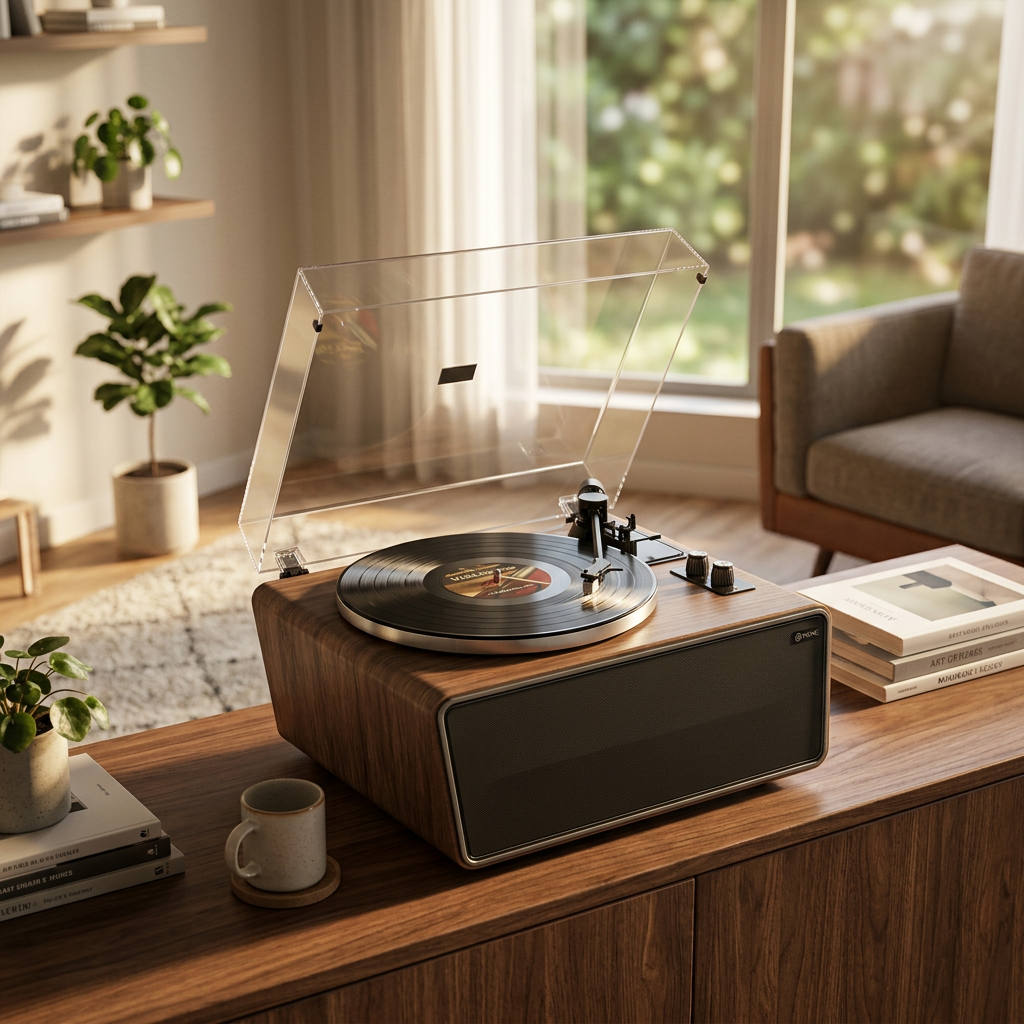
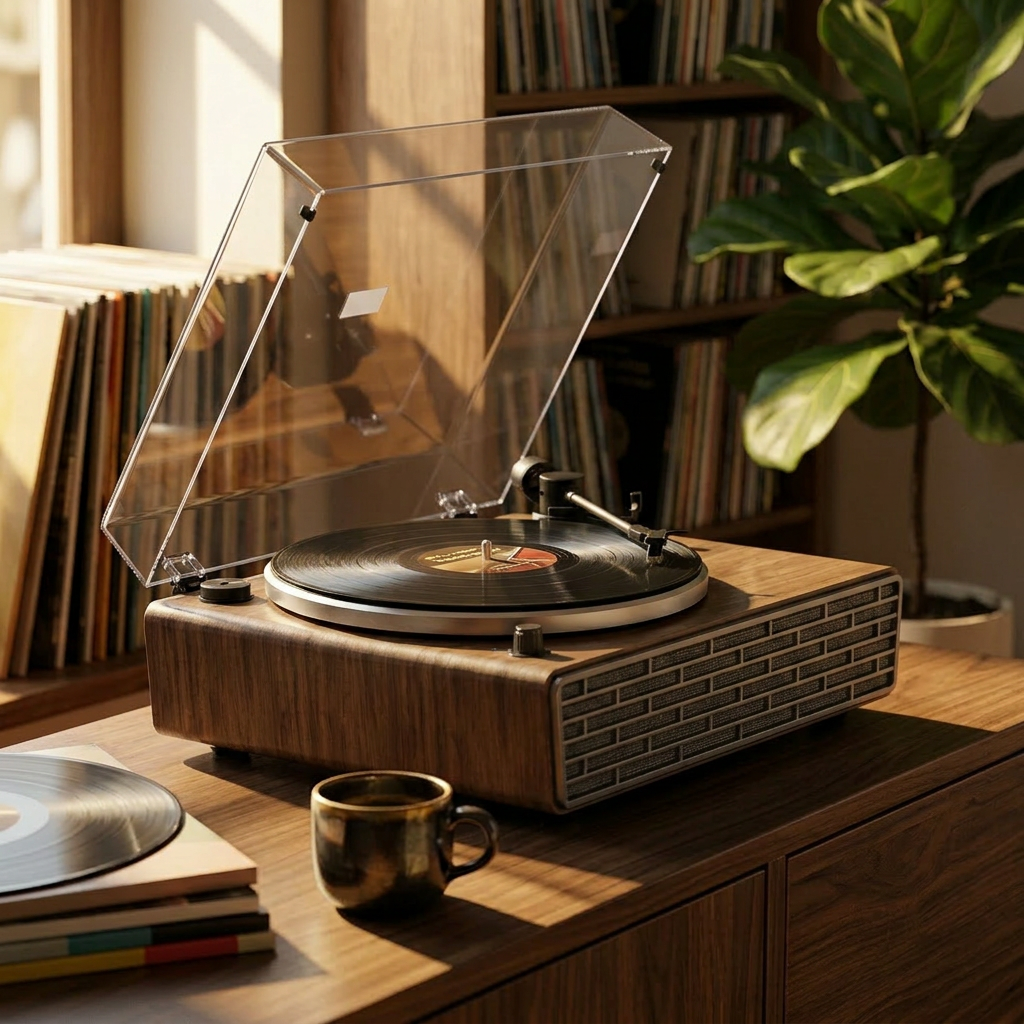
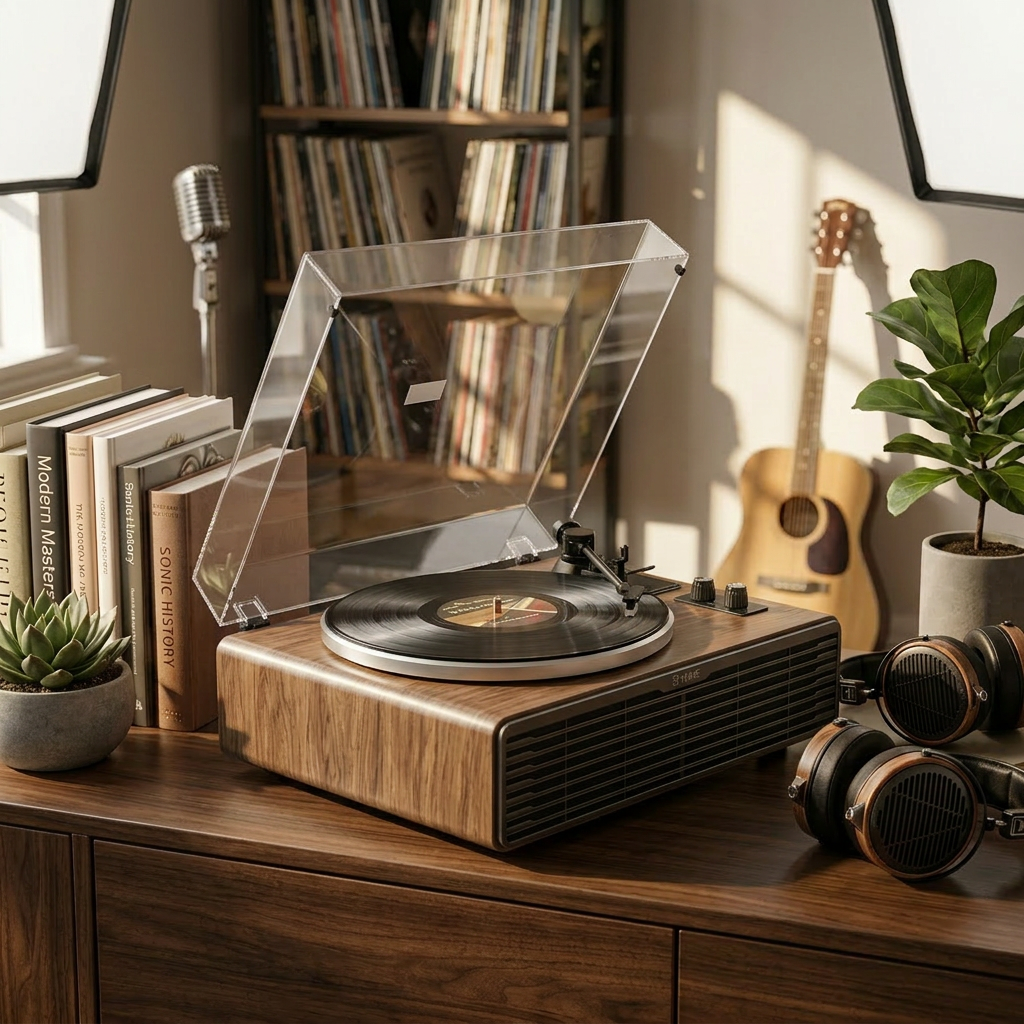
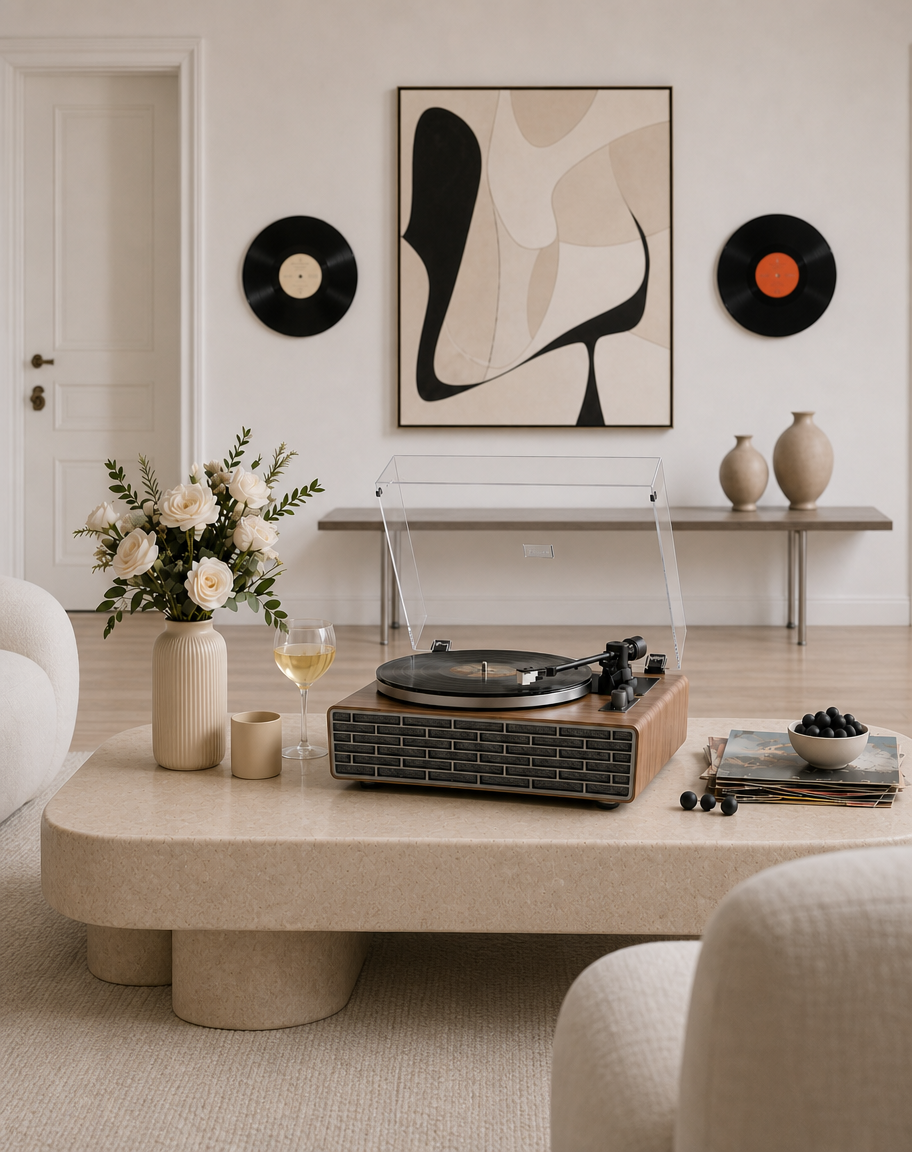
For example, the XJ-HOME H01, H02, and H03 support both 33⅓ and 45 RPM playback, making them suitable for many common vinyl records.
Explore the XJ-HOME H01, H02, and H03.
Remember: Always check the record label before playing. Choose the correct speed, and you're ready to enjoy your music!

Leave a comment
All comments are moderated before being published.
This site is protected by hCaptcha and the hCaptcha Privacy Policy and Terms of Service apply.